Ledger Login: Secure, Simple Access to Your Crypto Wallet
Ledger hardware wallets are among the most secure ways to store cryptocurrency. But the ability to log in safely—whether through Ledger Live or your physical Ledger device—is just as important as the hardware itself. Learning how Ledger login works ensures that you can manage your assets confidently, avoid phishing attacks, protect your private keys, and navigate the ledger ecosystem safely and effectively.
This comprehensive 1500-word guide walks you through everything you need to know about Ledger login, including setup, security, troubleshooting, account management, and best practices for long-term protection of your crypto assets.
Introduction: What Is Ledger Login and Why Does It Matter?
Ledger is a hardware wallet designed to store private keys offline, providing superior security compared to software-only wallets and centralized exchanges. However, interacting with your Ledger wallet requires logging in through Ledger Live, the official app used to manage assets, install apps, stake tokens, and access Web3.
Ledger login is not a traditional username/password process. Instead, it is a secure connection between:
Your Ledger hardware device
Your PIN code
Ledger Live (desktop or mobile)
Optional passphrase-based hidden wallets
Ledger login ensures that only you can authenticate access to your wallet and approve transactions. Understanding how this login flow works is essential for maintaining control over your cryptocurrency and avoiding scams.
1. What You Need Before Logging In to Ledger
To log in to Ledger safely, prepare the following:
A Ledger Nano S, Nano S Plus, or Nano X device
The Ledger Live application installed on desktop or mobile
A USB cable (or Bluetooth for Nano X mobile login)
Your PIN code for the device
Your 24-word recovery phrase stored safely offline
An internet connection
Always ensure you are using official Ledger hardware and official Ledger software to avoid counterfeit devices or phishing attempts.
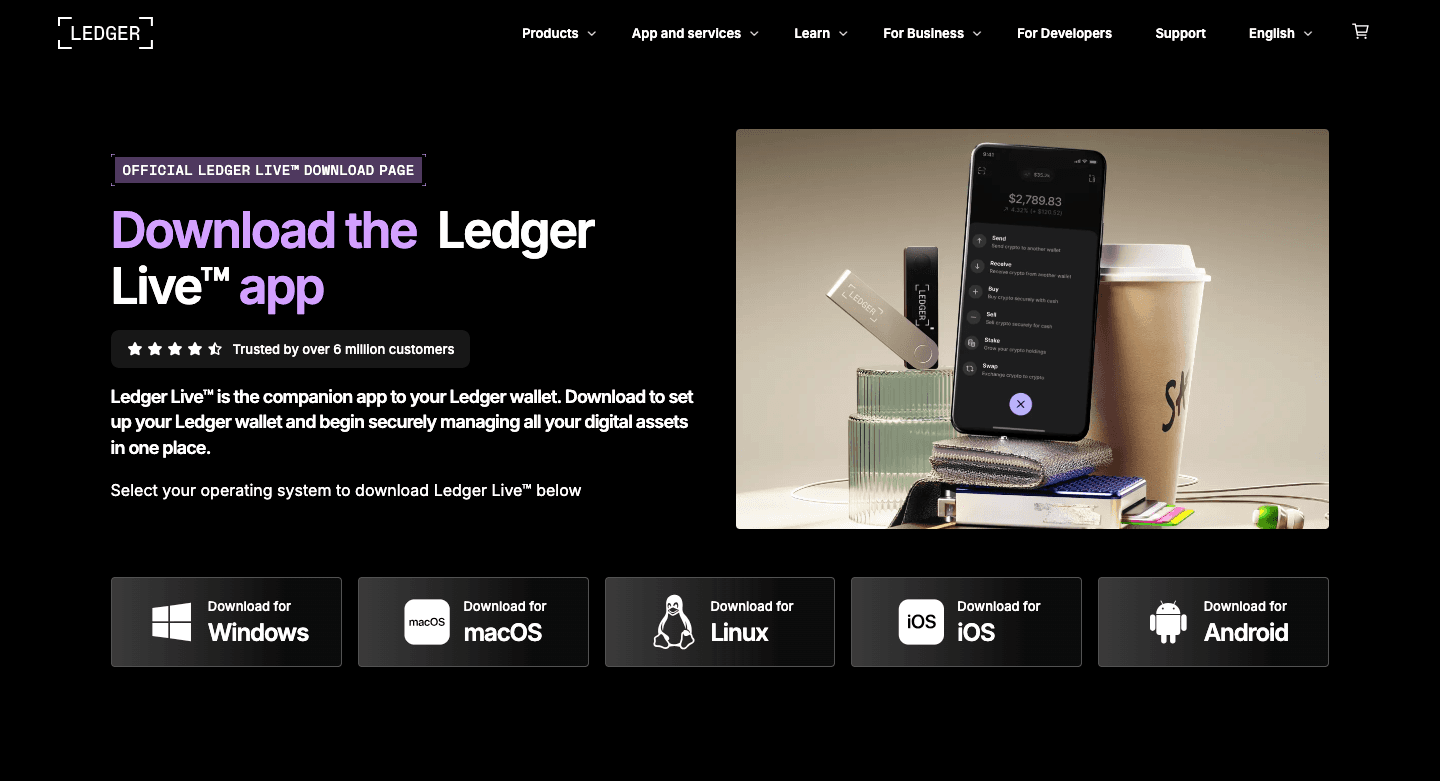
2. Downloading and Installing Ledger Live (Safely)
Ledger login always takes place through Ledger Live, so downloading the official application is crucial.
Safe Download Steps
Go to the official Ledger website.
Navigate to the Ledger Live download page.
Select your operating system (Windows, macOS, Linux, iOS, Android).
Install the app following the on-screen instructions.
Never download Ledger Live from unofficial websites, links, or emails. Fake apps can steal your recovery phrase or redirect your login to malicious servers.
3. Setting Up Your Ledger Device (Before Logging In)
If your Ledger device is brand new, you need to set it up before logging in.
Setup Steps
Choose Set up as a new device.
Create a PIN code.
Write down your 24-word recovery phrase.
Confirm the phrase directly on the device screen.
Your recovery phrase is the most important part of your Ledger login security. Ledger will never ask for it online or inside Ledger Live.
4. Restoring a Wallet Before Login
If you’re logging in to an existing Ledger wallet:
Choose Restore from recovery phrase.
Enter the 24-word phrase on the Ledger device.
Set a new PIN code.
Never type your recovery phrase into a computer or phone—only enter it on the device itself.
5. How Ledger Login Works: The Core Process
Ledger login happens when you connect your Ledger device to Ledger Live. The steps are:
Open Ledger Live.
Connect your Ledger device via USB or Bluetooth.
Enter your PIN on the device.
Ledger Live recognizes the device.
Ledger Live verifies device authenticity.
You access your dashboard, accounts, and settings.
This secure login process ensures your private keys remain on the device—Ledger Live only displays information, it never stores private keys.
6. Understanding the Ledger Live Dashboard
Once logged in, you’ll see several main sections:
◼ Portfolio
Shows your total crypto holdings, value charts, and asset allocations.
◼ Accounts
Where you add and view individual crypto accounts (BTC, ETH, BNB, etc.).
◼ Send
Send crypto from your Ledger wallet. Every transaction must be approved on the device.
◼ Receive
Generate wallet addresses and verify them on your device to avoid phishing.
◼ Manager
Install or uninstall blockchain apps on your Ledger device.
◼ Discover
Explore staking, DEXs, and Web3 apps that integrate with Ledger.
Knowledge of this interface makes the login process feel natural and secure.
7. The Role of Your PIN in Ledger Login
Your PIN:
Unlocks the device
Must be entered every time you log in
Is required to approve any transaction
Protects your device from unauthorized access
After three incorrect PIN attempts, the device will reset. This prevents brute-force login attempts.
8. Using Passphrases for Advanced Login Security
Ledger supports passphrase-based hidden wallets, sometimes called “25th word wallets.”
Benefits
Creates additional wallets separate from your main one
Protects holdings from physical theft
Acts as an extra security layer
Your passphrase must be entered during login each time you want to access your hidden wallet.
9. Logging In to Ledger Live on Mobile
Ledger Nano X supports Bluetooth login.
Mobile Login Steps:
Launch Ledger Live mobile.
Turn on your Ledger device.
Enter your PIN.
Connect via Bluetooth.
Access accounts and send/receive crypto.
Mobile login is just as secure because all confirmations happen on the device.
10. Receiving Crypto After Ledger Login
To receive funds:
Log in to Ledger Live.
Open the Receive tab.
Choose a crypto account.
Ledger Live displays an address.
Verify the address on your Ledger device screen.
Share the verified address with the sender.
Always verify the address on your Ledger device to avoid clipboard hijacking or address spoofing malware.
11. Sending Crypto After Ledger Login
To send crypto:
Open Ledger Live and log in.
Click Send.
Enter or paste the recipient’s address.
Choose an amount and fee.
On your device, verify the transaction details.
Approve the transaction.
Without device approval, the transaction cannot be sent—this is the core of Ledger’s security model.
12. Troubleshooting Ledger Login Issues
◼ Ledger device not detected
Try another USB cable or port
Update Ledger Live
Restart your computer
Update device firmware via Manager
◼ Wrong PIN
After 3 failed attempts, the device wipes. Restore using recovery phrase.
◼ Bluetooth connection issues
Keep the device close
Turn Bluetooth off/on
Reset Bluetooth settings on mobile
◼ Ledger Live not opening
Reinstall Ledger Live
Clear cache
Update OS
13. Protecting Yourself From Phishing During Login
Phishing is one of the biggest risks in crypto. To stay safe:
Never enter your recovery phrase anywhere except the Ledger device
Bookmark the official Ledger Live download page
Avoid clicking links from emails, ads, or DMs
Always verify app authenticity before installing
Never approve unknown transactions on your device
If something feels off, stop immediately.
14. Long-Term Ledger Login Security Best Practices
To maintain long-term protection:
Store your 24-word phrase offline
Keep multiple secure backups
Never take digital photos of your recovery phrase
Use a strong PIN and passphrase
Update Ledger Live and firmware regularly
Avoid connecting to unknown dApps
Consider metal seed storage solutions
The more you secure your login process, the safer your assets remain.
15. Why Ledger Login Is One of the Safest Authentication Methods
Ledger login is secure because:
Private keys never touch your computer or the internet
The device must physically approve every action
PIN and passphrase protect against unauthorized access
Ledger Live verifies device authenticity
Firmware updates maintain cutting-edge security
Even if your computer is hacked, attackers cannot steal your crypto without access to your Ledger device and PIN.
Conclusion: Mastering Ledger Login for Secure Crypto Management
Ledger login is at the heart of secure cryptocurrency storage. Understanding how it works—and how to keep it secure—empowers you to confidently manage your digital assets. Whether you’re sending crypto, connecting to Web3, staking, or simply monitoring your portfolio, the Ledger login process ensures that you remain in full control of your private keys and your funds.
By following the steps and security practices outlined in this guide, you can make the most of your Ledger device while maintaining the highest level of protection. With Ledger Live and your hardware wallet working together, you're equipped with one of the safest crypto setups available today.